

The Use of Decorative Bricks in Architectural Designs: A Timeless Aesthetic
In the world of architecture and design, creating visually striking and functional spaces is key to making a lasting impression. Decorative bricks have emerged as a versatile, timeless element that enhances the aesthetic appeal and durability of various architectural structures. Whether it's an exterior façade, an interior accent wall, or a landscaping feature, decorative bricks offer endless possibilities for transforming a space into something extraordinary. This article delves into the numerous ways decorative bricks are used in architectural design, their benefits, and why they are considered an essential material in modern and traditional designs alike.
What Are Decorative Bricks?
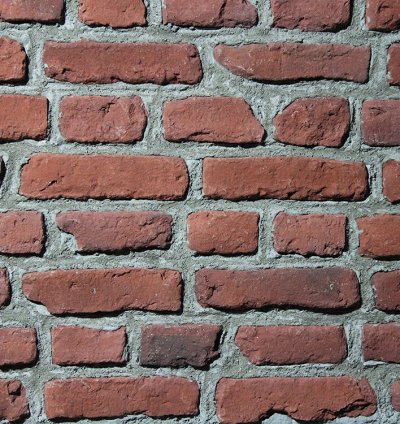
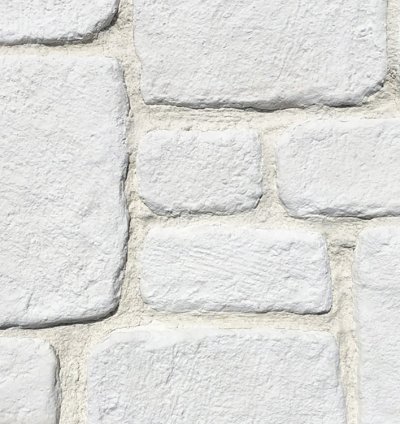
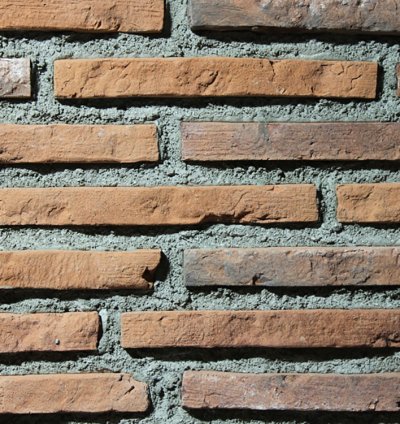
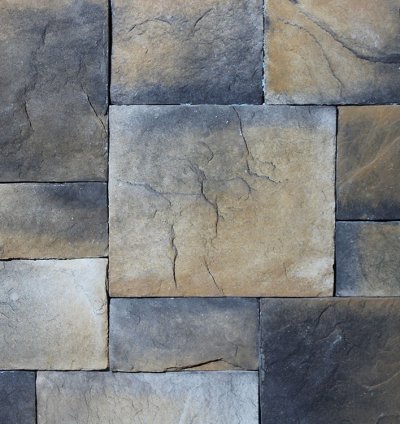
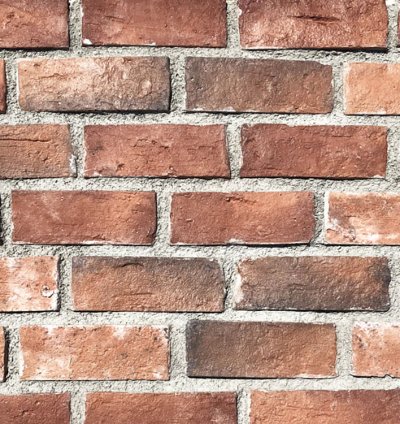
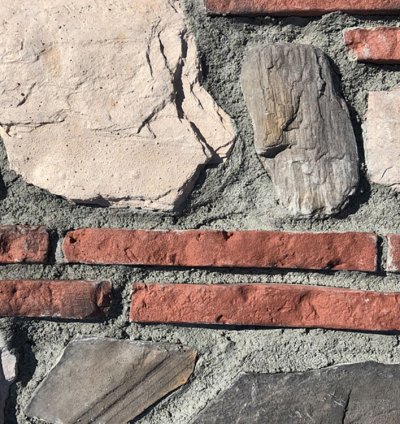
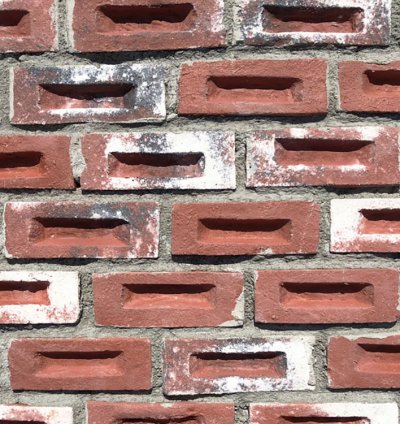
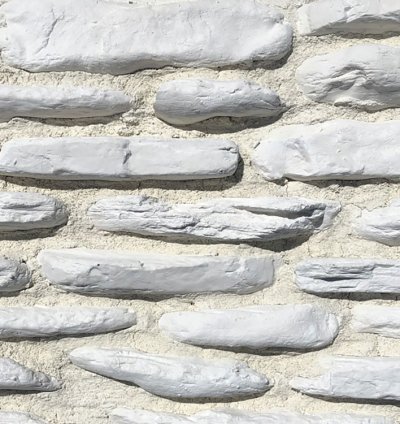
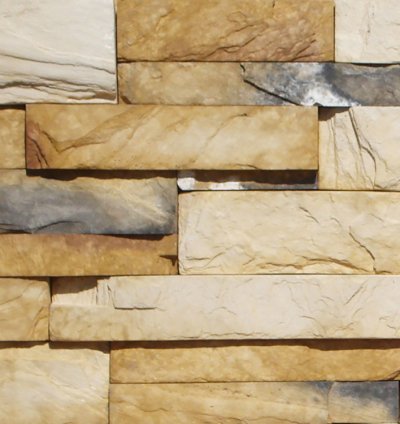
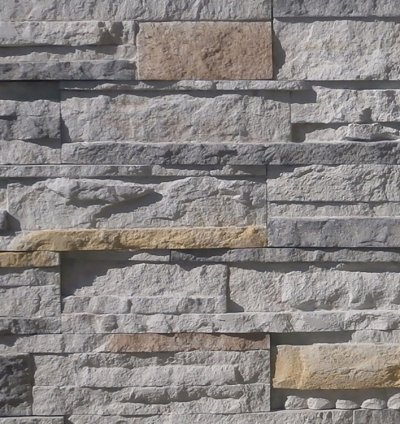
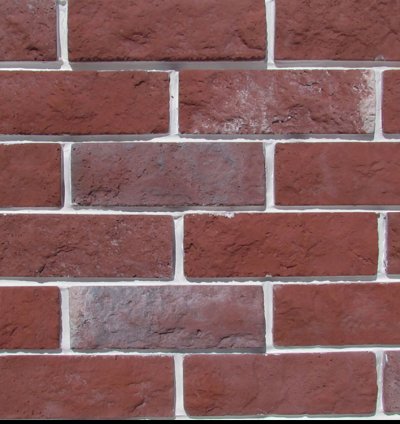
Decorative bricks are aesthetic bricks designed specifically for ornamental purposes rather than structural integrity. These bricks are available in a wide array of colors, textures, and finishes, offering architects and designers immense flexibility in their applications. Decorative bricks can be made from various materials, including clay, stone, and reclaimed materials, and can be used both in interior and exterior designs. From polished, sleek surfaces to rough, weathered textures, decorative bricks add a unique charm to any structure.
Why Choose Decorative Bricks for Architectural Designs?
Aesthetic Appeal and Versatility
One of the primary reasons why decorative bricks are so popular in architectural designs is their ability to enhance visual appeal. The texture, color, and warmth of bricks bring an element of natural beauty to any space. Whether used in a modern, contemporary, industrial, or rustic style, decorative bricks seamlessly blend into various design themes. Their ability to complement other materials such as wood, glass, metal, and stone makes them incredibly versatile. For instance, modern homes may use sleek, smooth bricks with a monochromatic color palette, while vintage or rustic designs may incorporate distressed, aged bricks for a more nostalgic, old-world feel.
Durability and Longevity
Decorative bricks are highly durable, making them an ideal choice for both interior and exterior architectural applications. They can withstand the test of time, offering long-lasting functionality with minimal maintenance. Whether they’re exposed to harsh weather conditions or placed in high-traffic indoor areas, bricks retain their strength and integrity for years. Additionally, they are resistant to many common environmental stressors such as water damage, fading, and physical wear, ensuring that they continue to look beautiful over time.
Low Maintenance
Unlike other decorative materials like wood or wallpaper, which may require frequent upkeep, decorative bricks are easy to clean and maintain. A simple wash or occasional sweeping is enough to keep the bricks looking fresh. This makes them a practical choice for high-traffic areas such as commercial spaces, lobbies, and exterior walls where aesthetics need to be maintained over time without the added hassle of regular repairs.
Sustainability
In recent years, sustainability has become a major concern in architectural design, and decorative bricks are an eco-friendly choice. Many decorative bricks are made from natural, recyclable materials, such as clay and stone, which have minimal environmental impact compared to synthetic materials. Additionally, bricks are long-lasting, reducing the need for frequent replacements. Reclaimed bricks are particularly popular for their sustainability, as they repurpose old materials, giving them a second life while reducing construction waste.
Acoustic and Insulation Benefits
Decorative bricks contribute significantly to acoustic control and thermal insulation. The mass and density of bricks help reduce noise levels within buildings, making them ideal for use in office buildings, residential homes, and public spaces. Bricks absorb sound, creating a quieter, more comfortable environment. They also have natural insulating properties, which help regulate indoor temperatures, keeping spaces cooler in summer and warmer in winter, and thus improving energy efficiency. Applications of Decorative Bricks in Architectural Design
Exterior Facades
One of the most common uses of decorative bricks is for creating exterior facades in both residential and commercial buildings. Whether you want to add a touch of elegance to a modern apartment complex or evoke a timeless charm in a traditional home, decorative bricks can be used to craft an eye-catching and durable facade. The varying colors and finishes allow for a range of design possibilities, from traditional red bricks to sleek, dark-colored bricks for a more contemporary appearance. The texture and color of decorative bricks can dramatically alter the overall appearance of a building, giving it a distinctive character and personality.
Interior Accent Walls
In interior design, decorative bricks are frequently used to create stunning accent walls that bring texture, depth, and warmth to a space. These walls often serve as the focal point in living rooms, kitchens, or dining areas, making them ideal for highlighting key design features. A brick wall behind a fireplace, TV, or artwork adds a sense of intimacy and rustic charm to any room. The versatility of decorative bricks allows them to be used in various interior design styles, from industrial lofts to cozy country homes.
Fireplaces and Mantels
Decorative bricks are also commonly used in the construction of fireplaces and mantels. A brick fireplace brings both functional warmth and visual appeal to a living room or gathering space. Whether the bricks are left exposed or painted in complementary colors, they create a focal point that attracts attention while adding a sense of coziness and comfort. The durability and heat resistance of bricks make them an ideal material for fireplace construction, as they can withstand high temperatures without deteriorating.
Landscaping Features
Beyond the walls and interiors of buildings, decorative bricks also play an important role in landscaping. They can be used to create pathways, patios, garden walls, and even raised garden beds. Their natural texture and earthy tones allow them to blend seamlessly with the outdoor environment, adding a rustic and organic touch to gardens, courtyards, and public parks. Decorative bricks can be arranged in a variety of patterns, such as herringbone, basket weave, or running bond, to create visually appealing designs in outdoor spaces.
Commercial Spaces and Public Buildings
In commercial architecture, decorative bricks help set the tone for a business’s identity. Whether it’s a restaurant, hotel, or retail store, incorporating decorative bricks into the design can enhance the customer experience and elevate the space’s atmosphere. For instance, an exposed brick wall in a restaurant can add warmth and authenticity to the dining experience, while a brick façade on a retail store creates a welcoming and timeless appearance.
Historic Renovations
Reclaimed decorative bricks are often used in historic building renovations to restore the authenticity and integrity of older structures. These bricks not only preserve the historic value of a building but also provide a sustainable solution for renovation projects. Reusing bricks allows architects to maintain the original character of the structure while incorporating modern design elements.