

Decorative Bricks in Store Decoration: A Timeless Design Element
In today’s highly competitive retail environment, store owners and designers are constantly searching for innovative ways to stand out and create memorable shopping experiences. One of the most effective and stylish ways to achieve this is by incorporating decorative bricks into store decor. Decorative bricks, with their rustic charm and timeless appeal, offer a unique way to enhance the aesthetic of any retail space. From accent walls to exterior facades, these versatile materials can transform a store’s atmosphere and leave a lasting impression on customers. In this article, we will explore the various ways decorative bricks can be used in store decoration, focusing on their aesthetic benefits, functionality, and practical applications.
What Are Decorative Bricks?
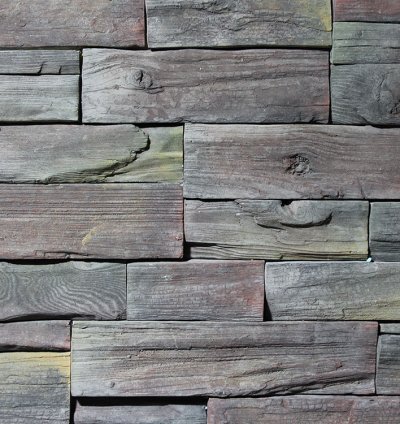
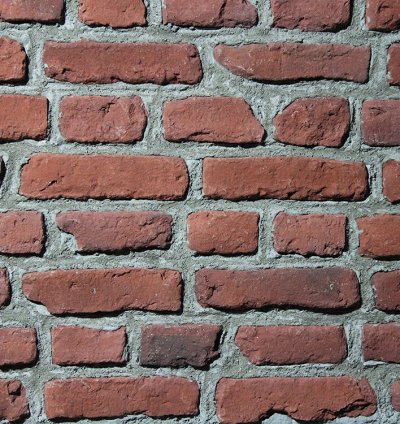
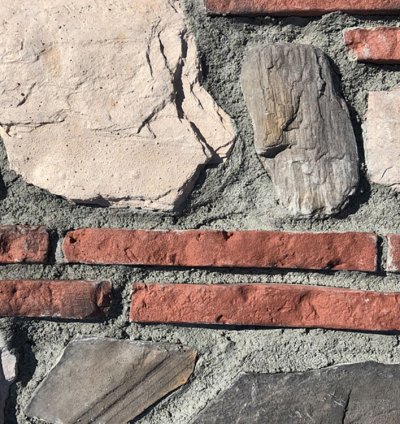
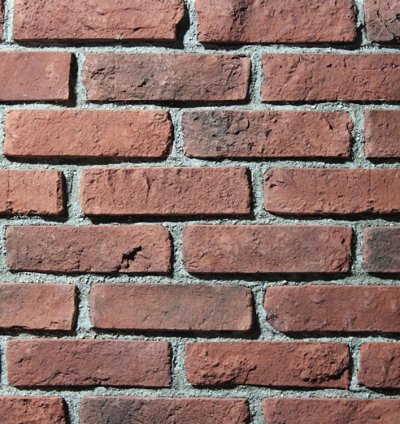
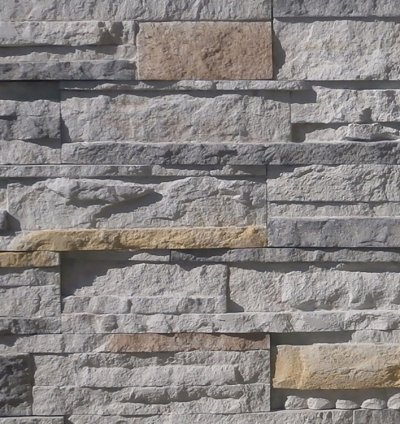
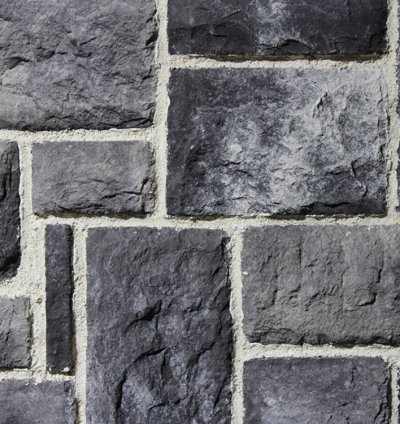
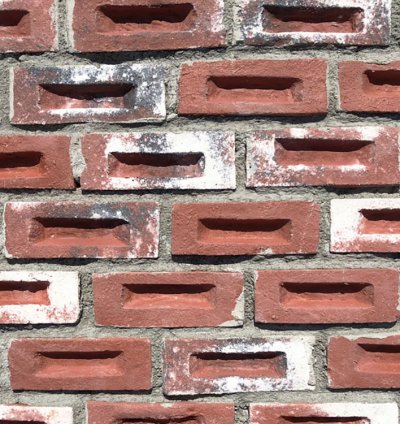
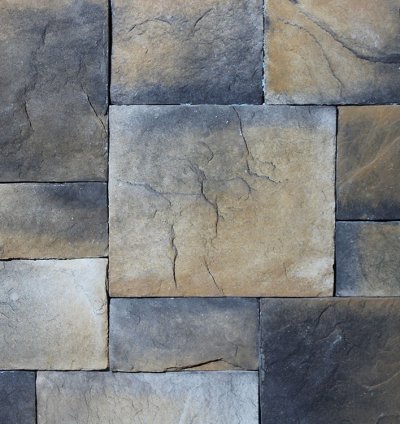
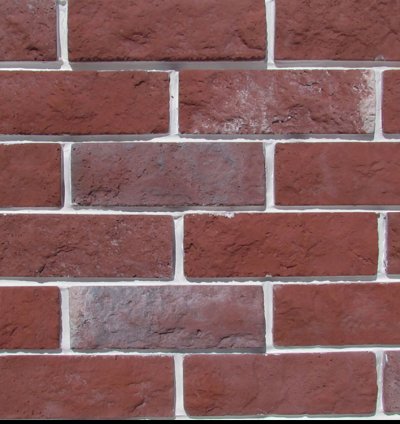
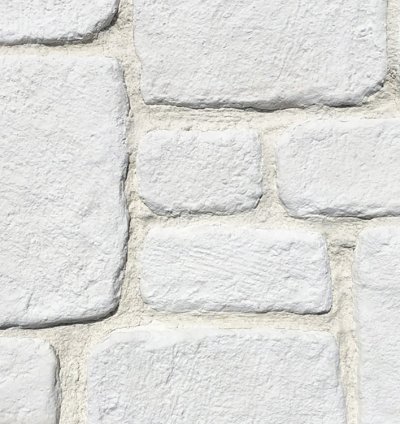
Decorative bricks are a versatile, stylish alternative to traditional bricks. Unlike standard bricks, which are typically used for construction, decorative bricks are designed to add an aesthetic appeal to both interior and exterior surfaces. They come in various finishes, textures, and colors, allowing for a wide range of design possibilities. From faux brick panels to real, hand-crafted bricks, these materials can be incorporated into modern, industrial, or vintage-themed store designs to create an inviting and unique environment.
Why Use Decorative Bricks in Store Decoration?
Timeless Aesthetic Appeal
One of the primary reasons store owners opt for decorative bricks is their ability to bring a timeless, rustic charm to any space. The natural texture of bricks—whether weathered or sleek—adds character and warmth to a store, creating a welcoming atmosphere that draws customers in. Exposed brick walls or accent brick features in retail spaces evoke a sense of authenticity and craftsmanship that resonates with a wide range of customers. Whether used in modern urban boutiques or vintage-inspired shops, decorative bricks can effortlessly enhance a store’s visual appeal.
Versatility in Design Decorative bricks
are incredibly versatile, making them suitable for various design themes and store types. For example, industrial-style stores often use exposed brick walls to create an edgy, raw look that complements their contemporary style. Vintage or rustic stores, on the other hand, may opt for distressed brick finishes to evoke a sense of history and tradition. Decorative bricks can be used in numerous ways, from creating accent walls, columns, and display areas to covering the entire storefront or an entire section of the interior. With an extensive range of textures, colors, and styles available, decorative bricks offer endless creative possibilities for store decoration.
Durability and Low Maintenance
Apart from their aesthetic benefits, decorative bricks are highly durable and require minimal maintenance. Unlike wallpaper or paint, which may peel or fade over time, bricks are built to last. They are resistant to wear and tear, ensuring that your store’s decor will maintain its beauty and integrity over the long term. Cleaning decorative bricks is easy and requires only occasional dusting or wiping down. This makes them a practical and cost-effective solution for retail spaces that see high foot traffic and require a low-maintenance approach.
Improved Acoustics
and Insulation In addition to their aesthetic appeal, decorative bricks can also contribute to improving the acoustics and insulation of a store. The density and texture of bricks help absorb sound, reducing echoes and creating a more pleasant shopping environment. This is particularly beneficial in stores with high ceilings or open floor plans, where noise levels can easily escalate. Additionally, decorative bricks offer thermal insulation, helping to maintain a comfortable indoor climate by keeping the temperature stable. This feature can be especially useful in stores located in areas with extreme weather conditions.
Sustainability Many decorative bricks
are made from natural materials, making them an eco-friendly choice for store decoration. Clay bricks are often made from abundant natural resources, and reclaimed bricks are a sustainable option that repurposes materials from older buildings. By incorporating decorative bricks into your store’s design, you contribute to a more sustainable and environmentally conscious approach to building and design.
Applications of Decorative Bricks in Store Decoration
Accent Walls and Feature Walls
One of the most popular ways to incorporate decorative bricks into store decor is by using them for accent walls or feature walls. These can serve as striking focal points that draw customers’ attention to specific areas, such as a checkout counter, display section, or product showcase. The texture and warmth of brick create a dramatic visual contrast against other materials like glass, metal, or wood, adding depth and interest to the interior. Whether you choose a natural, weathered finish or a sleek, modern look, an accent brick wall can significantly elevate the aesthetic of your store.
Storefront Facades Exterior decoration
plays a critical role in attracting customers and creating curb appeal. Decorative bricks are an excellent choice for storefront facades, giving your shop a timeless, inviting appearance. Whether you go for a rustic, traditional design or a more modern take on brickwork, decorative bricks can be arranged in various patterns to suit the architectural style of your store. A well-designed brick facade can immediately communicate the style, quality, and ambiance of your store, making it more likely that passersby will stop in and explore.
Display Areas and Shelving In addition to walls
, decorative bricks can be used to create display areas or shelving units in your store. The solid and industrial look of bricks can complement products and showcase them in an eye-catching manner. A brick display creates an interesting visual contrast with your merchandise, drawing attention to the products on display. These brick-built display units can be placed throughout the store or used in key areas such as entrances or product highlights.
Dividing Spaces
In large, open-concept retail stores, decorative bricks can be used to create divisions between different sections of the store, such as men’s and women’s clothing or home goods and electronics. Brick columns, half-walls, or partitions can subtly define separate areas while maintaining the overall open feel of the space. This design strategy allows store owners to create distinct zones for different product categories while still maintaining an open, airy atmosphere. Brand Identity and Storytelling For stores aiming to tell a specific brand story, decorative bricks can play a pivotal role in setting the tone. For example, a luxury brand may choose sleek, polished brick finishes for a sophisticated, contemporary look, while a vintage clothing store might use weathered bricks to evoke nostalgia and history. The brickwork can become a key element in telling the story of the brand, adding an extra layer of depth and meaning to the customer’s shopping experience.