

The Use of Decorative Bricks in Outdoor Walls: A Stylish and Durable Solution
Decorative bricks have become a popular choice for enhancing the aesthetic appeal and durability of outdoor walls. Whether you're building a garden wall, a patio surround, or adding character to your home’s exterior, decorative bricks offer a wide variety of designs that can complement any outdoor space. In this article, we'll explore the benefits of using decorative bricks for outdoor walls, the different types available, and tips for installation.
Why Choose Decorative Bricks for Outdoor Walls?
Decorative bricks are a fantastic option for outdoor walls due to their durability, versatility, and timeless aesthetic. Here are some key reasons to consider using decorative bricks for your next outdoor project: Long-Lasting Durability Bricks are known for their durability and resistance to harsh weather conditions. When used in outdoor walls, decorative bricks can withstand rain, heat, wind, and even extreme temperatures. Unlike other materials, they are less likely to crack or deteriorate over time, making them an ideal choice for outdoor applications that require longevity.
Aesthetic Appeal
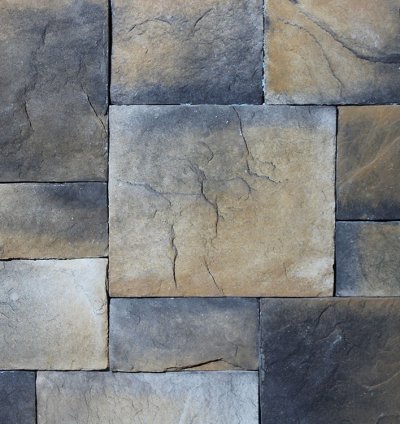
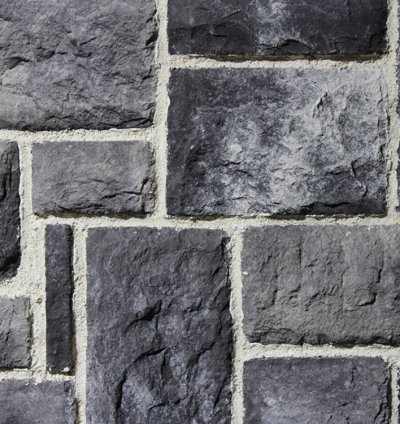
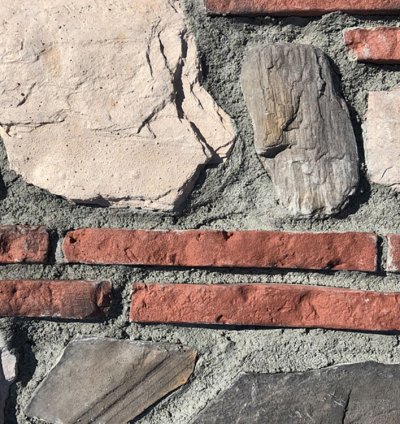
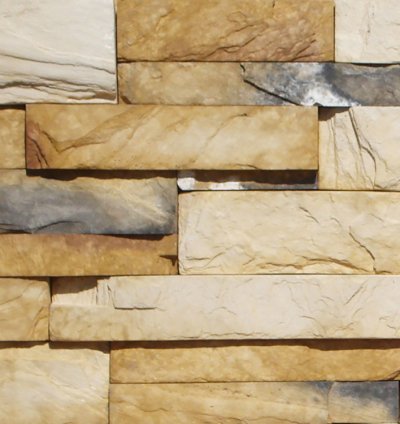
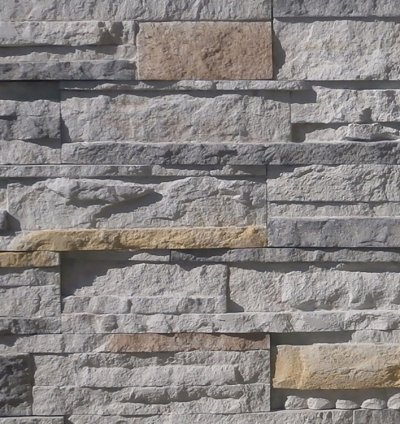
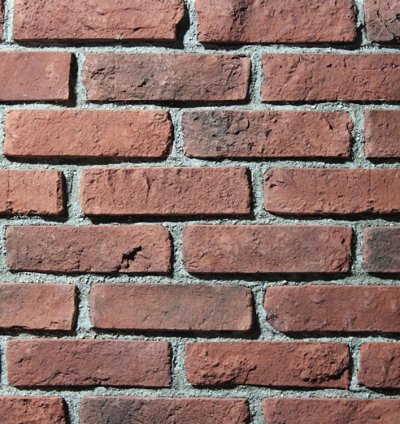
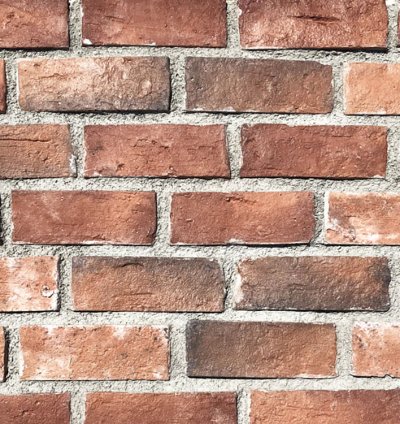
Decorative bricks come in a range of textures, colors, and patterns, offering a broad spectrum of design possibilities. Whether you prefer a rustic, vintage look or a modern, sleek design, decorative bricks can help bring your vision to life. The unique textures of bricks—whether smooth, rough, or even aged—add depth and character to any wall.
Low Maintenance
One of the most significant advantages of using decorative bricks is their low maintenance. Unlike wood or vinyl siding, which may need to be repainted or treated periodically, bricks require minimal upkeep. Simply cleaning the bricks occasionally is enough to keep them looking fresh and attractive for years.
Sustainability
Decorative bricks are made from natural materials like clay and sand, making them an eco-friendly choice. Many brick manufacturers use sustainable practices in their production, making it a greener option for homeowners who are conscious of their environmental impact.
Types of Decorative Bricks for Outdoor Walls
There are several types of decorative bricks that can be used in outdoor walls, each offering a unique look and functionality:
Face Bricks
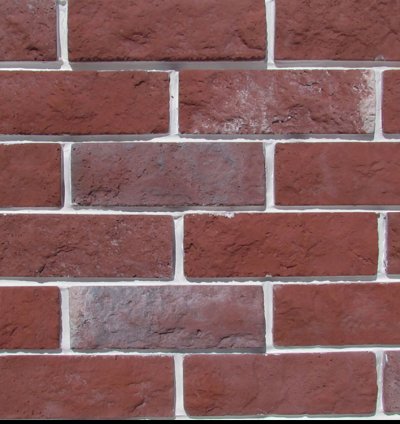
Face bricks are commonly used for their aesthetic appeal, and they are designed to be seen. These bricks often feature a smooth finish or decorative texture, making them perfect for garden walls, pathways, and exterior facades. Their uniform size and shape make installation straightforward, resulting in a clean, professional finish.
Clinker Bricks
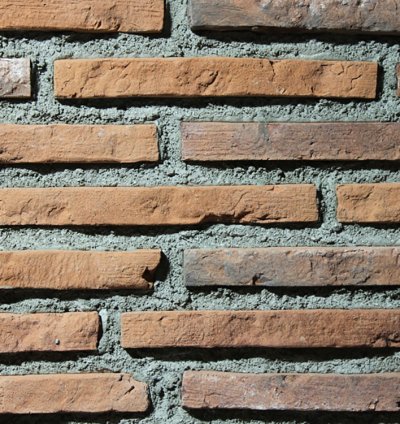
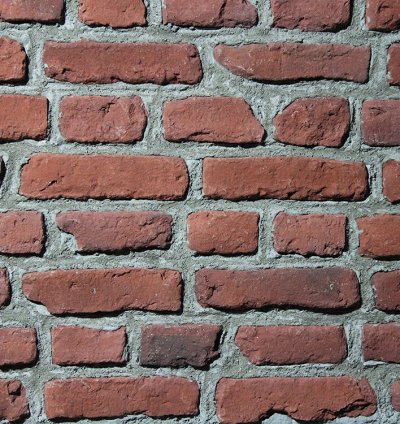
Clinker bricks are known for their rustic, old-world charm. They are fired at higher temperatures, resulting in a slightly irregular shape and a rich, earthy color. These bricks work well for creating vintage-inspired outdoor spaces, including traditional garden walls or outdoor fireplaces.
Engineered Bricks
Engineered bricks are designed for maximum strength and are often used in structural outdoor walls. While they may not be as decorative as face bricks or clinker bricks, they can still be used in combination with other decorative elements to provide a sturdy foundation.
Thin Brick Veneer
Thin brick veneers offer the beauty of traditional brick but at a lighter weight. These can be applied directly to existing walls or structures, making them ideal for renovations or projects where reducing weight is a concern.
Installation of Decorative Bricks for Outdoor Walls
Installing decorative bricks requires careful planning and attention to detail to ensure both functionality and aesthetics. Here are some steps to follow:
Prepare the Site
Before beginning the installation, it's essential to prepare the foundation or surface where the bricks will be applied. Ensure that the area is level, clean, and stable to support the weight of the bricks.
Lay the Bricks
Start laying the bricks from the bottom up, applying a layer of mortar to secure them in place. Be sure to leave consistent gaps (called mortar joints) between each brick for a uniform look. Use a level to check that each brick is placed evenly.
Grouting and Cleaning
Once all the bricks are in place, fill in the mortar joints with grout, ensuring the mortar is pressed into each gap. Afterward, clean off any excess mortar from the brick surfaces to prevent staining.
Seal the Bricks
For added protection against weather elements, you may want to apply a sealant to your decorative bricks. This will help prevent moisture from seeping into the bricks, ensuring they remain in top condition for years.
Conclusion
Decorative bricks are an excellent choice for outdoor wall applications, offering both beauty and function. With a variety of types and designs available, these bricks can enhance the charm and durability of any outdoor space. Whether you're constructing a new wall or renovating an existing one, decorative bricks provide a sustainable, low-maintenance solution that adds character and longevity to your outdoor walls. Choose the right decorative brick style for your project, and enjoy the benefits of an attractive and long-lasting outdoor space for years to come.