Basalt Kerbstone: A Durable and Aesthetic Element for Pedestrian Pathways
When it comes to constructing pedestrian pathways, choosing the right materials is essential for both functionality and aesthetics. Among the most durable and visually appealing options is the Basalt Kerbstone, an element that plays a pivotal role as a boundary marker or edge restraint in the design of walkways. Known for its resilience, versatility, and stylish appearance, basalt kerbstones are an ideal choice for creating safe, long-lasting pedestrian paths.
What is Basalt Kerbstone?
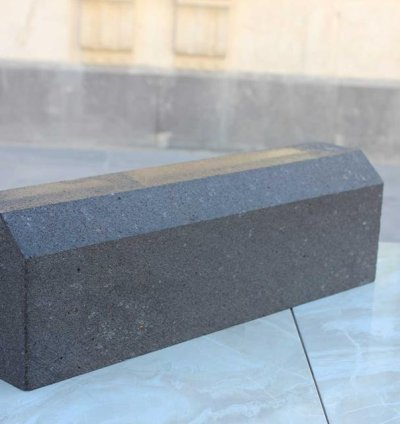
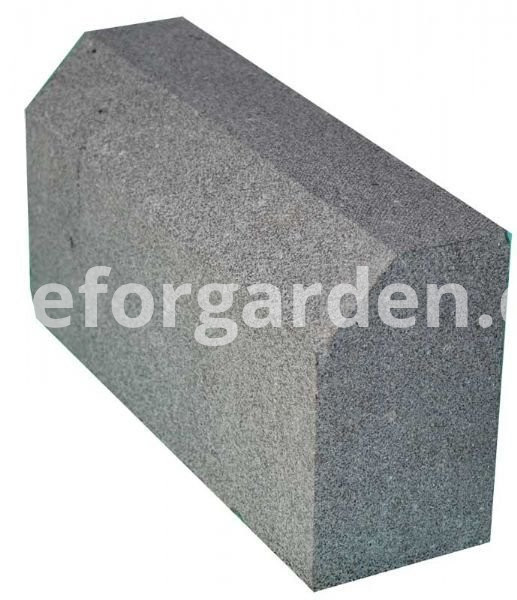
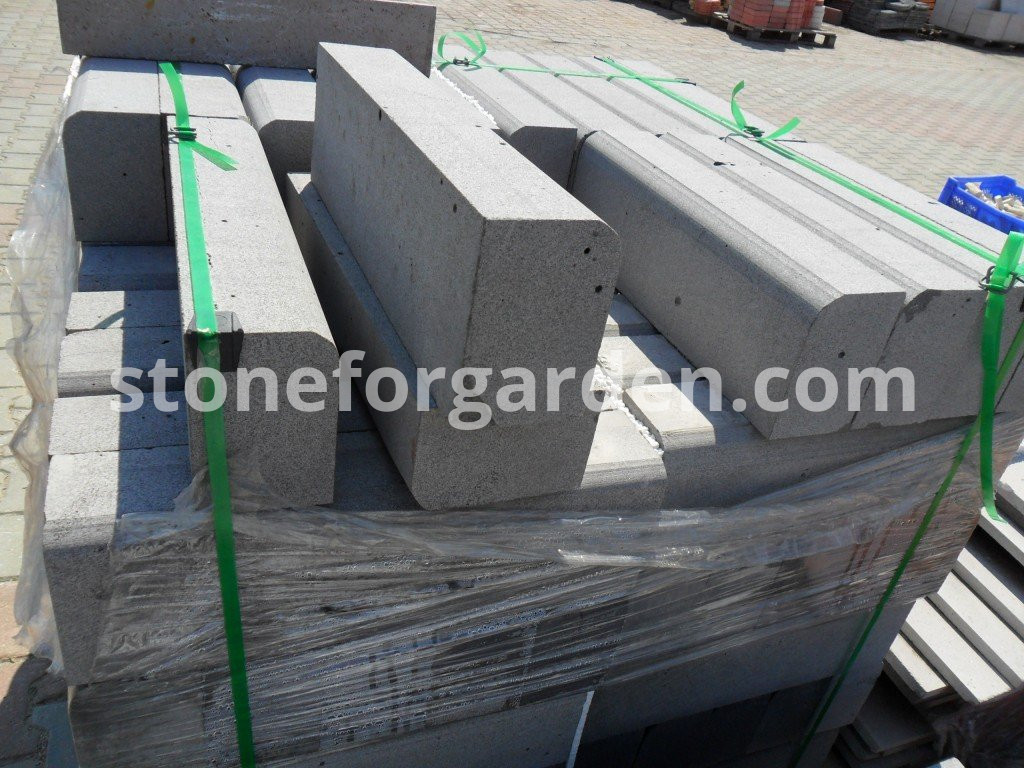
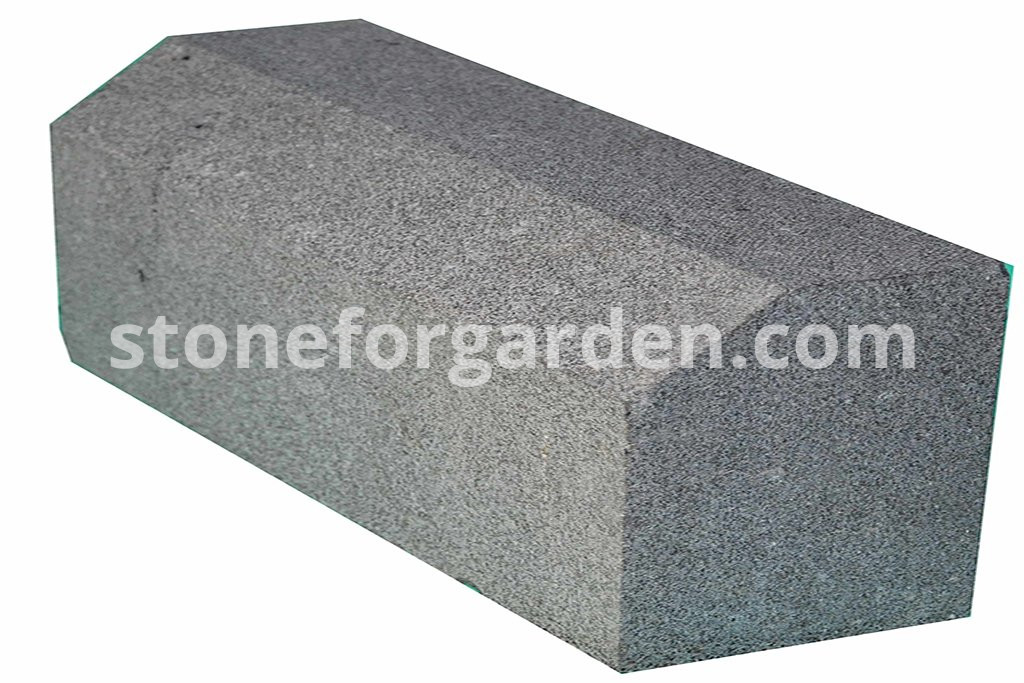
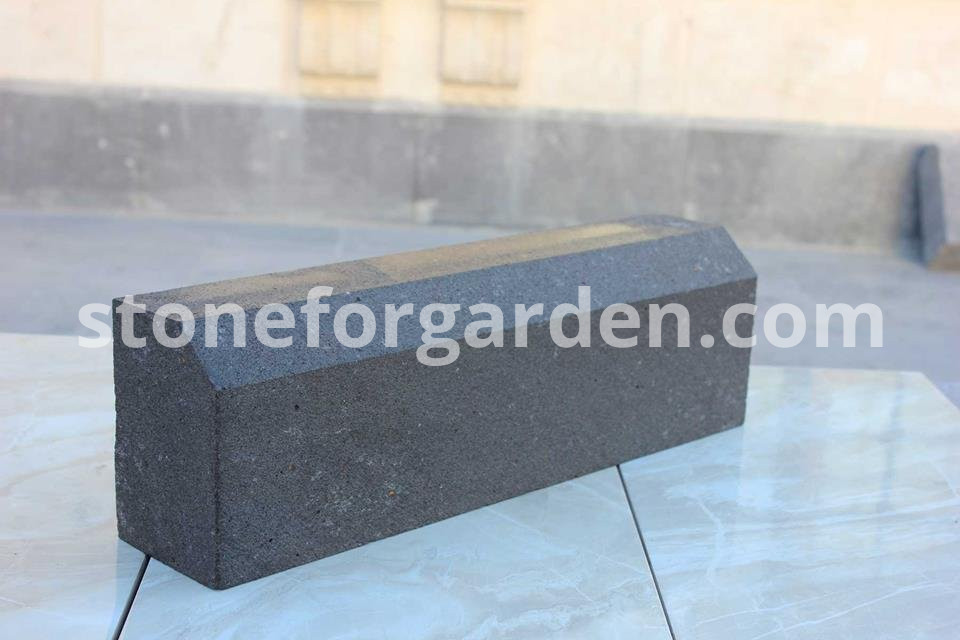
Basalt is a type of igneous rock formed from volcanic activity, known for its high durability and resistance to weathering. When used as a kerbstone, it serves as a solid, reliable barrier along the edges of a footpath, offering both functionality and aesthetic value. Basalt kerbstones are typically cut into rectangular or trapezoidal shapes and are designed to fit seamlessly into urban and landscape environments.
The Advantages of Using Basalt Kerbstone in Pedestrian Pathways
Durability and Strength
One of the most significant advantages of basalt kerbstones is their exceptional durability. Basalt is a dense and hard material, making it highly resistant to wear and tear. This feature is crucial for pedestrian paths that see heavy foot traffic. Basalt kerbstones can withstand harsh weather conditions, from extreme heat to freezing temperatures, without showing signs of deterioration. This makes them an excellent choice for pathways in both urban and rural areas, ensuring long-term reliability. Aesthetic Appeal Basalt has a natural, elegant appearance, characterized by a dark gray to black hue with subtle textures. This visual appeal makes basalt kerbstones ideal for various design themes, from modern city streets to more rustic, natural landscapes. The rich, sleek color of basalt adds sophistication to any pedestrian path, enhancing the overall aesthetic of the surrounding environment.
Eco-Friendly Material
As an igneous rock, basalt is a natural and abundant material, making it an eco-friendly choice for construction projects. Unlike synthetic materials, basalt does not require significant energy to produce, contributing to a lower carbon footprint. Additionally, basalt kerbstones are fully recyclable, aligning with sustainable construction practices. This eco-conscious aspect is particularly appealing to urban planners and landscape architects who prioritize environmental responsibility in their projects.
Slip Resistance
Pedestrian pathways need to provide safety and stability, and basalt kerbstones excel in this area. Due to the texture of the stone, basalt offers excellent slip resistance, making it ideal for pathways in areas that experience wet conditions, such as near parks, fountains, or coastal regions. By helping to prevent accidents, basalt kerbstones contribute to the overall safety of pedestrians.
Low Maintenance
Unlike other materials such as concrete or wood, basalt kerbstones require minimal maintenance. Their resistance to weathering and staining means they maintain their original appearance for a longer period, reducing the need for frequent repairs or replacements. This feature makes basalt a cost-effective choice in the long run.
Application of Basalt Kerbstones in Pedestrian Pathways
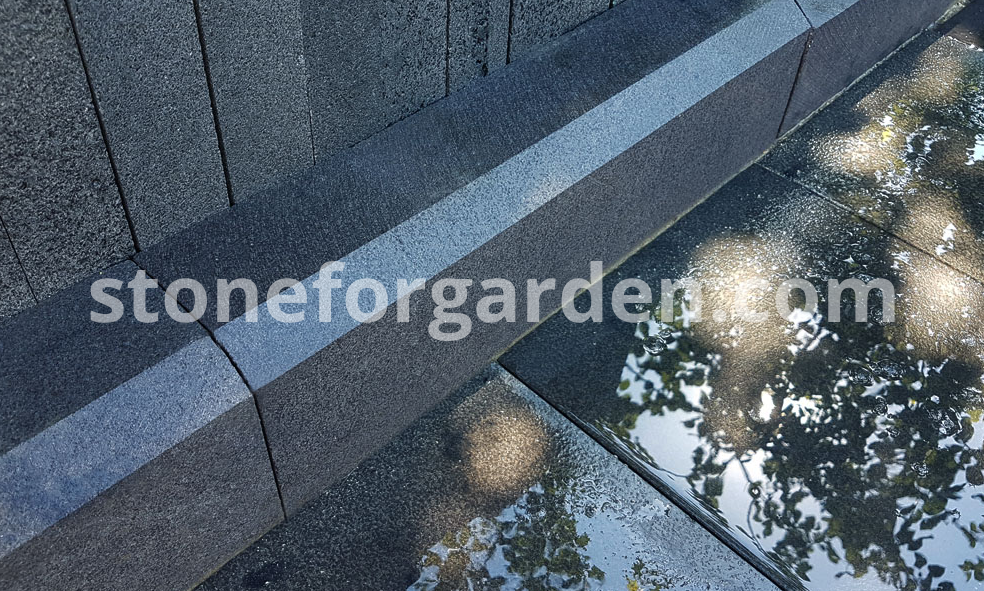
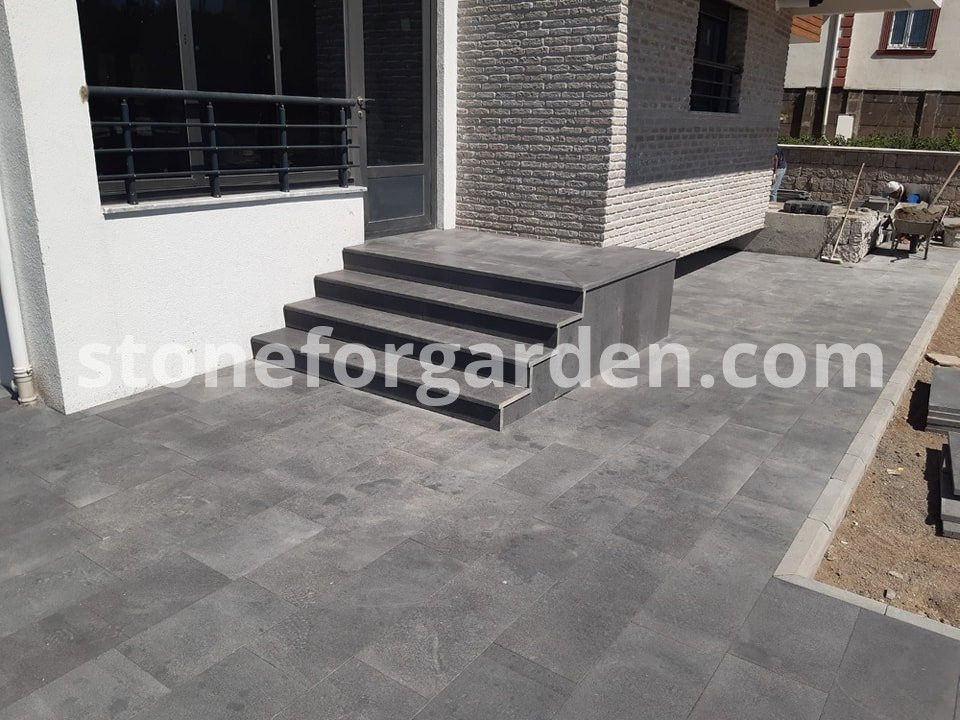
Basalt kerbstones are versatile and can be used in a wide variety of settings. In urban environments, they can be used to define the edges of pedestrian pathways, helping to prevent erosion, reduce overrun, and create a clear boundary for foot traffic. In park settings, basalt kerbstones can be used to create visually appealing pathways that blend seamlessly with the natural surroundings.
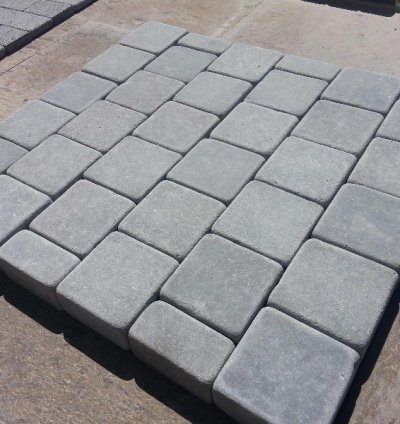
In addition to their primary function as a boundary element, basalt kerbstones can also be used for aesthetic purposes in landscaping projects. By arranging them in specific patterns or combining them with other materials, designers can create intricate, visually striking walkways that enhance the beauty of public spaces.
Basalt kerbstones are a top choice for creating durable, safe, and visually appealing pedestrian pathways. Their natural strength, aesthetic versatility, and -friendly nature make them ideal for a wide range of landscaping and urban design projects. By opting for basalt kerbstones, cities and towns can build pedestrian paths that not only stand the test of time but also elevate the overall look of public spaces. Whether you're designing a city street or a park trail, basalt kerbstones provide a high-quality solution that balances function with beauty.