






Granite Cobblestone for Pathways in Parks and Gardens: A Durable and Elegant Solution
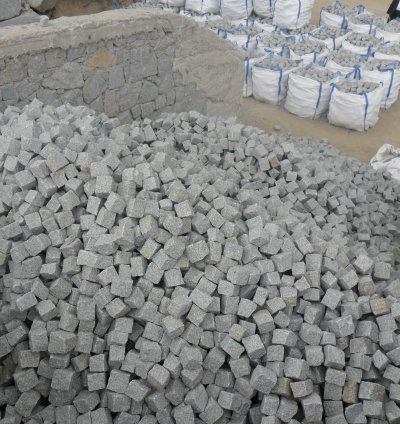
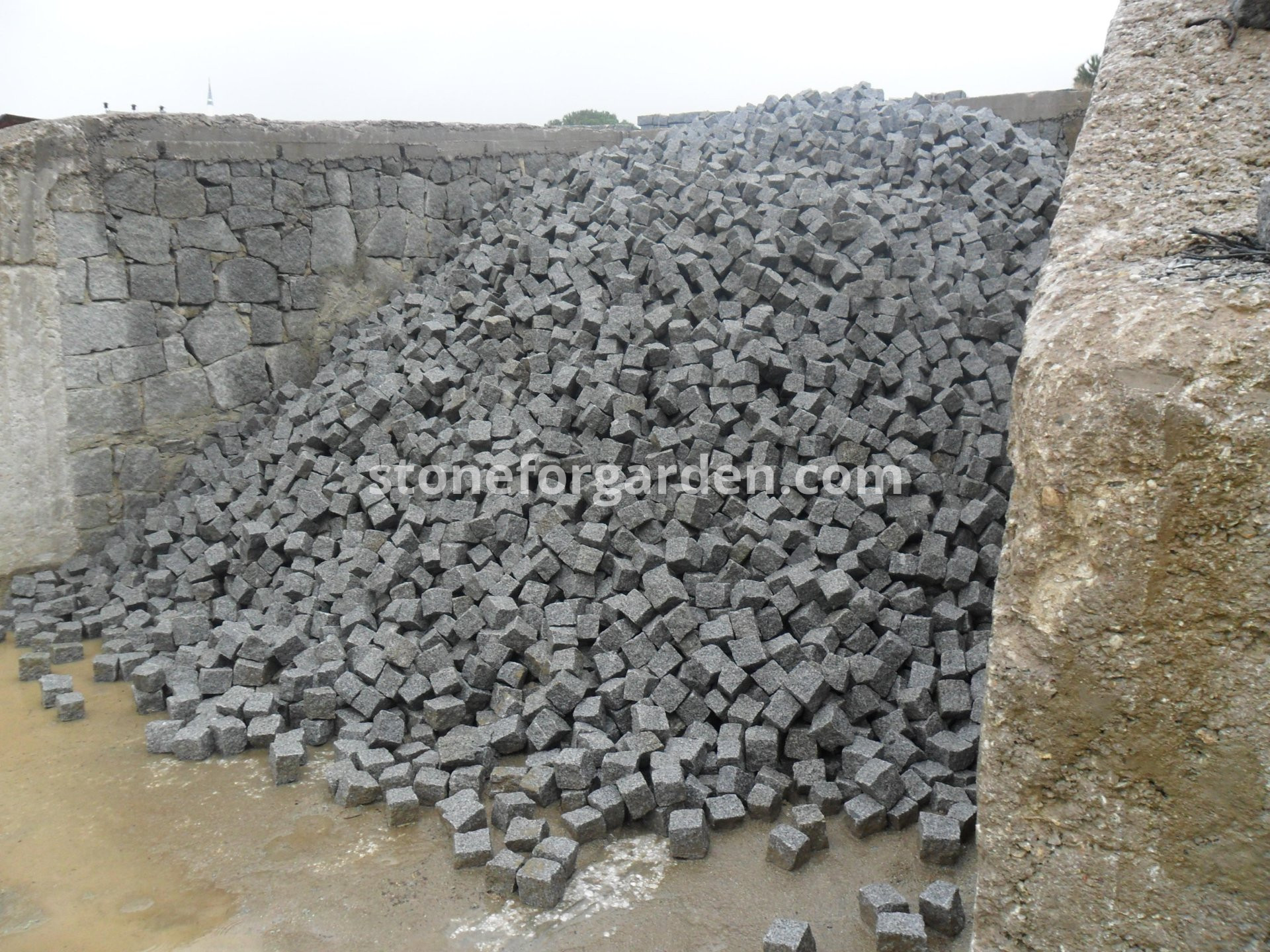
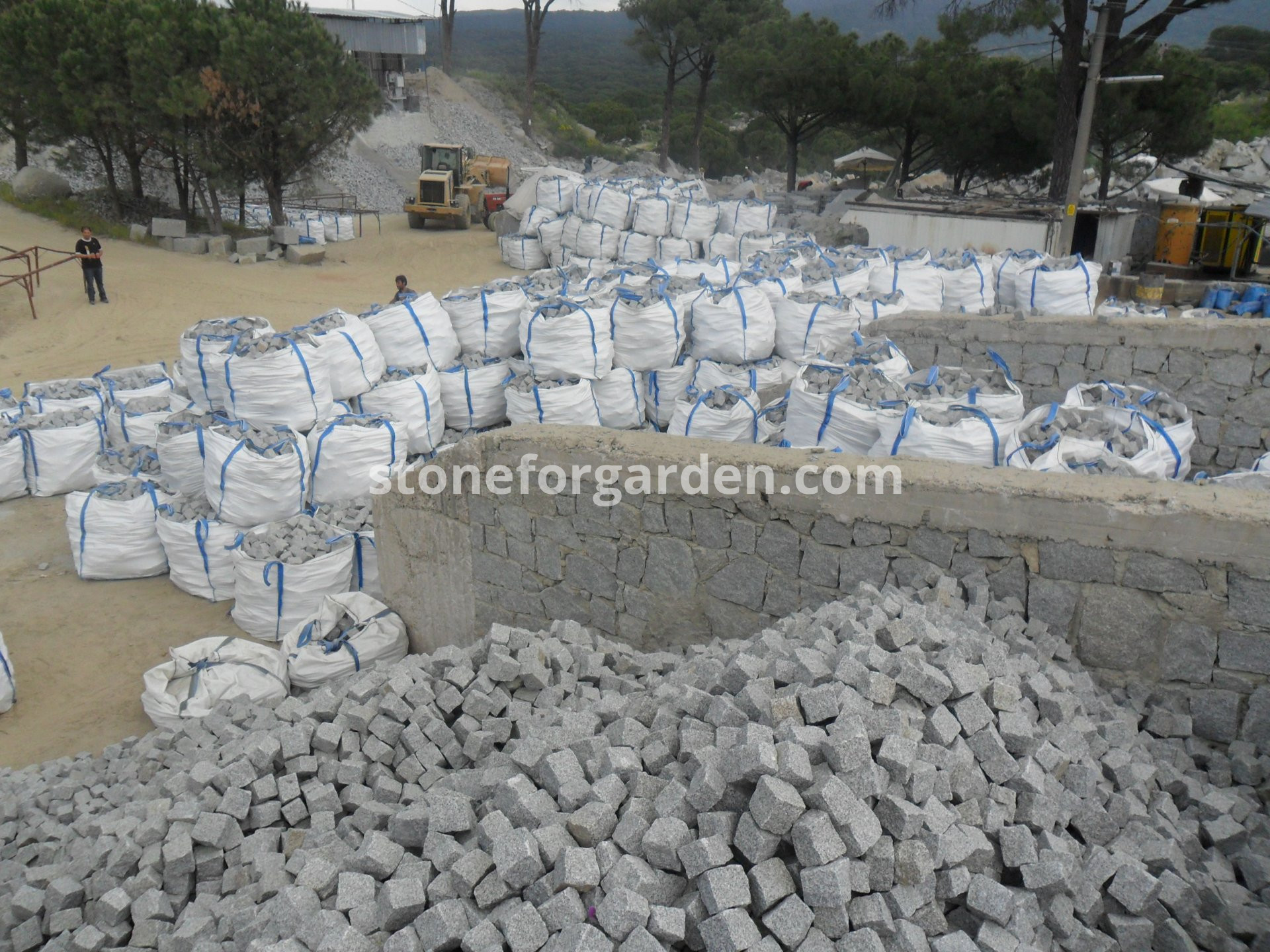
Granite cobblestones have been used for centuries in the construction of walking paths due to their durability, aesthetic appeal, and historical significance. These cobblestones, often referred to as "setts," are small, rectangular blocks cut from granite, a natural stone that is prized for its hardness and resistance to weathering. The use of granite in cobblestone paths can be traced back to ancient Roman roads, which were engineered to withstand the test of time. This tradition has endured, and today granite cobblestones continue to be a popular choice for urban planners, landscape architects, and homeowners seeking to create beautiful, long-lasting walking paths.
One of the primary reasons granite cobblestones are favored for walking paths is their incredible durability. Granite is one of the hardest natural stones, making it highly resistant to wear and tear. This is especially important in high-traffic areas where constant footfall could quickly erode weaker materials. The dense nature of granite ensures that cobblestones made from this stone can withstand harsh weather conditions, including freezing temperatures and heavy rainfall, which might otherwise damage less robust materials like concrete or asphalt.
Apart from their practical benefits, granite cobblestones also add aesthetic value to walking paths. The natural variations in color and texture of granite give each cobblestone a unique appearance, contributing to a rustic and charming look. This aesthetic quality makes granite cobblestones a desirable option for paths in historical districts or gardens where preserving a traditional appearance is important. Furthermore, granite cobblestones can be arranged in various patterns, from simple linear arrangements to intricate designs, allowing for creative expression in the
The use of granite cobblestones also has environmental benefits. Because granite is a natural material, it does not require the same chemical processing as synthetic paving materials, reducing the environmental impact of its production. Additionally, granite cobblestones are often sourced locally, minimizing the carbon footprint associated with transportation. Moreover, when these cobblestones are laid in a permeable fashion, they allow rainwater to filter through the joints and into the ground below, aiding in groundwater recharge and reducing runoff, which can be a significant issue in urban areas with
The installation of granite cobblestone paths, though labor-intensive, is relatively straightforward. The process begins with the preparation of a stable base layer, typically composed of compacted sand or crushed stone, which provides a solid foundation for the cobblestones. Once the base is prepared, the cobblestones are laid in the desired pattern, and any gaps between them are filled with sand or gravel to secure them in place. This method of installation not only ensures a firm walking surface but also allows for the easy replacement of individual stones if they become damaged.
Despite their many advantages, there are some challenges associated with the use of granite cobblestones in walking paths. The hardness of granite, while beneficial for durability, can make the stones difficult to cut and shape, which may increase the cost of installation. Additionally, the uneven surface of cobblestones can be challenging for individuals with mobility issues or for those wearing unsuitable footwear. To mitigate this, path designers may choose to incorporate smoother materials at intersections or along the edges of paths to ensure accessibility for all users.
In conclusion, granite cobblestones are a timeless choice for walking paths that offer a blend of durability, aesthetic appeal, and environmental benefits. Their ability to withstand significant use and harsh weather conditions make them an ideal option for both public and private pathways. Moreover, the rich history and natural beauty of granite cobblestones ensure that they remain a popular choice in creating paths that are not only functional but also enhance the landscape's visual appeal. While there are challenges in their use, proper planning and installation can ensure that granite cobblestone paths remain a sustainable and attractive option for generations to come.